Men’s Mental Health in Uganda
October 14, 2026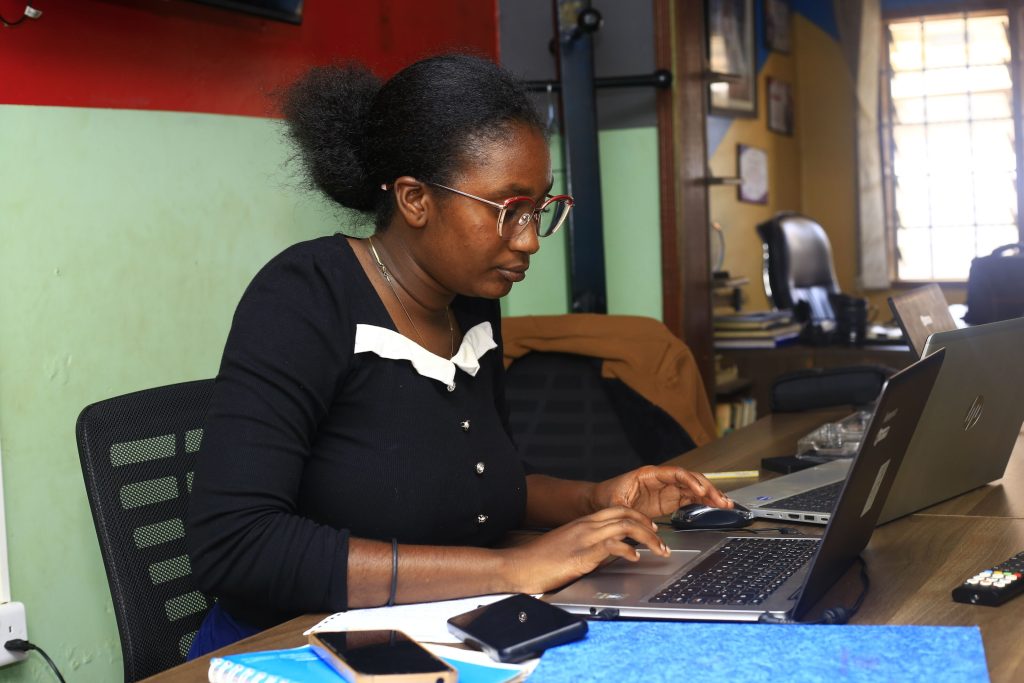
Women Empowerment: Women are at the heart of Uganda’s social and economic development. They are caregivers, entrepreneurs, farmers, educators, innovators, and community leaders. Across the country, women contribute significantly to their families and communities. Yet, despite their invaluable contributions, many continue to face barriers that limit their opportunities, independence, and participation in decision-making.
Poverty, gender inequality, limited access to education, unemployment, and harmful social norms continue to affect the lives of many women. These challenges are often more pronounced among women living in vulnerable communities, including urban slums, where access to resources and economic opportunities may be limited.
Women empowerment is not simply about helping women overcome challenges; it is about ensuring that every woman has the rights, opportunities, resources, and confidence to shape her own future.
At Milele Foundation, we believe that women deserve equal opportunities to learn, lead, participate in community development, and achieve economic independence. Through advocacy, community engagement, leadership development, mentorship, and digital skills empowerment, we continue to champion a society in which women are valued, heard, and empowered to realise their full potential.
Understanding the Challenges Facing Women in Uganda
Despite progress towards gender equality, many women and girls in Uganda continue to experience social, economic, and cultural barriers that affect their well-being and development.
Limited access to education remains a significant challenge for some girls, particularly those from economically disadvantaged households. Financial hardship, early marriage, teenage pregnancy, and unequal expectations can interrupt their education and restrict their future opportunities.
Economic inequality presents another challenge. Many women work hard to support their families but have limited access to stable employment, financial resources, business opportunities, and the knowledge needed to navigate an increasingly digital economy. Without these opportunities, achieving financial independence can become difficult.
Furthermore, widows, single mothers, women living with HIV, women with disabilities, and survivors of gender-based violence may face additional barriers, including stigma, discrimination, and social exclusion. These experiences can undermine their confidence, limit their participation in community life, and make it harder to access essential services and opportunities.
Gender-based violence and harmful social norms also remain important concerns. No woman should have to live in fear, experience abuse, or be denied opportunities because of her gender.
Addressing these challenges requires more than temporary assistance. It calls for sustained advocacy, inclusive policies, community awareness, and a collective commitment to protecting women’s rights and expanding their opportunities.
Women Empowerment Begins with Rights, Voice, and Opportunity
Women empowerment begins with recognising that women are equal members of society who deserve dignity, respect, and the freedom to make decisions about their lives.
It means creating environments where girls can pursue education without discrimination, women can access meaningful economic opportunities, and female leaders can participate in decisions that affect their families and communities.
Empowerment also means challenging the beliefs and practices that prevent women from reaching their full potential. Families, community leaders, institutions, civil society organisations, and development partners all have a role to play in promoting gender equality.
Women should not have to choose between their ambitions and society’s expectations of them. Instead, they should have the freedom and support to pursue education, develop their talents, start businesses, participate in leadership, and contribute to community development.
At Milele Foundation, we believe that empowering women requires both raising awareness about their rights and expanding access to practical opportunities that support independence, confidence, and personal growth.
Digital Skills: Opening New Opportunities for Women
As technology continues to transform education, employment, business, and communication, digital skills have become increasingly important for economic participation and social inclusion.
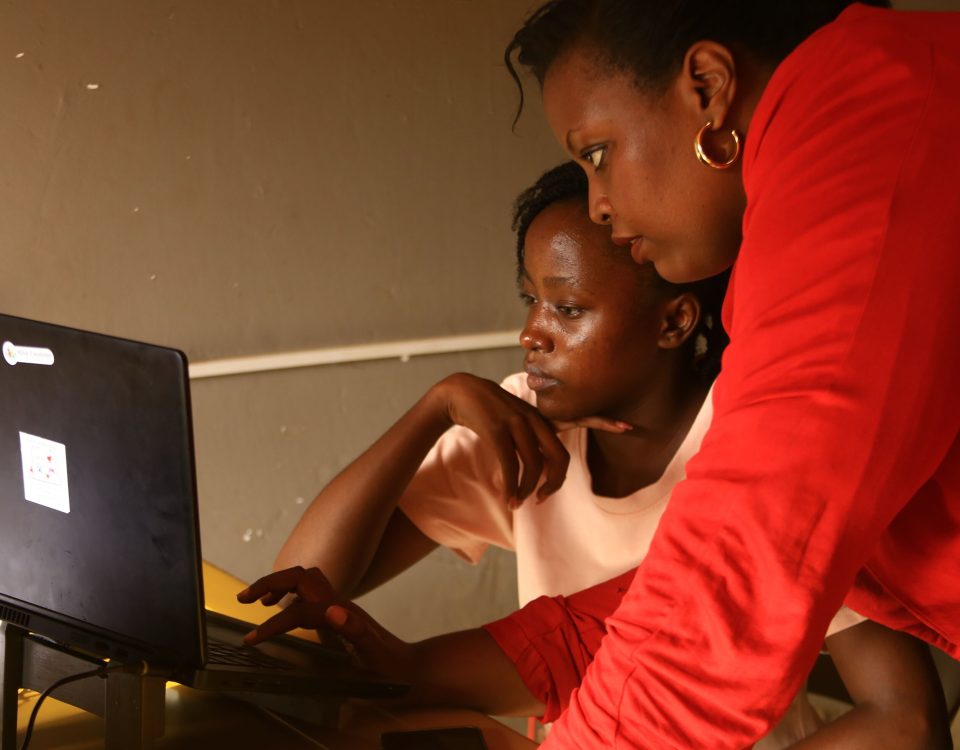
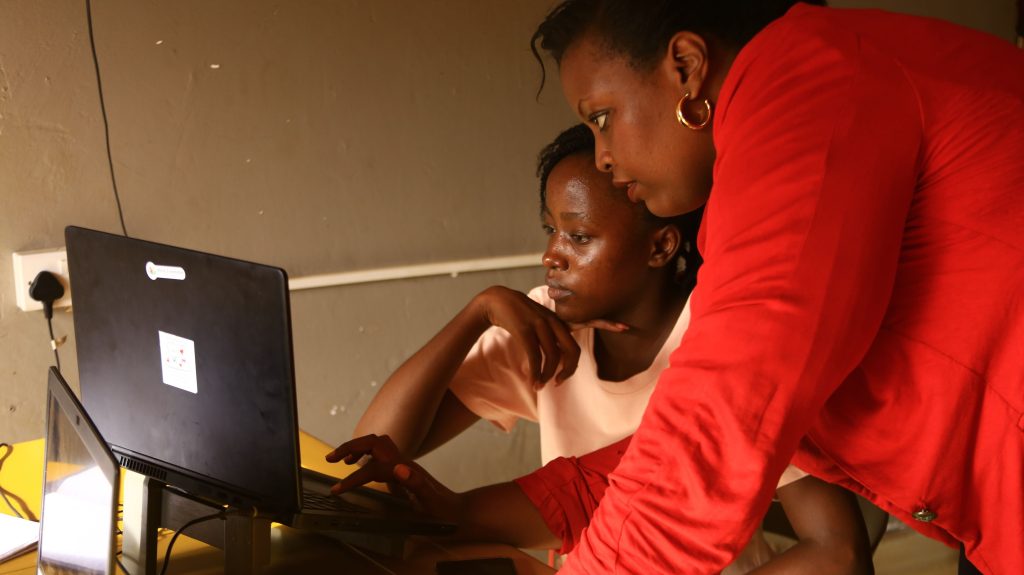
For women living in vulnerable communities, access to digital knowledge can open doors to opportunities that might otherwise remain out of reach. Basic computer literacy, online communication, digital marketing, internet research, and the responsible use of digital tools can help women access information, promote businesses, connect with customers, and explore learning and employment opportunities.
Digital empowerment is particularly important for women who face barriers to traditional employment or who need flexible ways to participate in the economy.
For example, a woman running a small business can use digital platforms to reach new customers, showcase her products, communicate with clients, and manage aspects of her business. Another woman can use online learning resources to develop new skills, explore career opportunities, or access information that supports her personal and professional development.
However, access to technology alone is not enough. Women also need affordable internet access, suitable devices, relevant training, safe online spaces, and the confidence to use digital tools effectively.
Milele Foundation recognises the importance of digital skills in today’s world and continues to promote women’s empowerment through digital learning and opportunities for personal and economic development.
Digital inclusion is an important part of gender equality because women should not be left behind as the world becomes increasingly connected.
From Economic Dependence to Financial Independence
Economic empowerment is an important part of women’s freedom, dignity, and ability to make choices about their lives.
When women can access education, develop marketable skills, pursue employment, and participate in entrepreneurship, they are better positioned to contribute to household income and make informed financial decisions.
Financial independence can also strengthen women’s ability to meet their needs, plan for the future, support their children, and participate more confidently in community life.
However, women empowerment should not be measured by income alone. It also involves having control over financial decisions, access to opportunities, the freedom to make personal choices, and the ability to participate equally in society.
Communities must therefore work towards removing the barriers that prevent women from accessing resources, owning and managing businesses, developing professional skills, and participating in economic decision-making.
Through awareness, digital skills empowerment, mentorship, and community engagement, Milele Foundation advocates for opportunities that enable women to build their capacities and pursue sustainable livelihoods.
Empowering Women to Lead and Influence Change
Women have an important role to play in shaping the future of their families, communities, and country. Yet, in many settings, their voices remain underrepresented in leadership and decision-making.
Women empowerment includes creating opportunities for women to express their views, develop leadership skills, participate in public life, and influence decisions that affect them.
When women are supported to lead, they bring their experiences, knowledge, and perspectives to addressing community challenges. They can advocate for better access to education, improved services, safer communities, and more inclusive development.
Leadership also begins at the community level. A woman who speaks up about violence, encourages girls to remain in school, supports other women in business, or participates in local decision-making is contributing to meaningful social change.
Milele Foundation believes that women should not only benefit from development initiatives but should also help shape them. Through advocacy, mentorship, and community engagement, we encourage an environment where women can recognise their potential, exercise their voices, and become active participants in the development of their communities.
Challenging Harmful Social Norms and Promoting Gender Equality
Women empowerment cannot be achieved by women alone. It requires communities to examine and challenge attitudes and practices that perpetuate discrimination and inequality.
Harmful gender stereotypes can limit girls’ educational choices, discourage women from pursuing leadership, restrict economic participation, and normalise unequal treatment within families and communities.
Creating lasting change requires open conversations about respect, shared responsibilities, equal opportunities, and the rights of women and girls.
Men and boys also have an important role in this process. By challenging gender-based violence, respecting women’s choices, supporting girls’ education, and promoting equitable relationships, they can contribute to safer and more inclusive communities.
Parents, teachers, religious leaders, cultural leaders, employers, and community organisations can help shift attitudes and create environments where women and girls are treated with dignity.
At Milele Foundation, we believe that advocacy and awareness are essential to changing the attitudes that sustain gender inequality. Women empowerment is not about diminishing the role of men; it is about building a society in which everyone can contribute and thrive without discrimination.
Milele Foundation’s Commitment to Women’s Empowerment
Milele Foundation recognises that meaningful empowerment goes beyond a single programme or activity. It is an ongoing commitment to supporting dignity, equality, inclusion, and opportunity.
Through our community-focused work, we seek to raise awareness of the challenges affecting vulnerable women, encourage equal participation, and promote access to knowledge and practical skills that can improve their lives.
The Foundation’s School of Community, established in April 2021, forms part of this commitment to community development and capacity-building. Our approach continues to recognise the importance of equipping people with knowledge and skills that can support their personal growth and participation in society.
Today, digital skills are an important part of this broader empowerment approach. By promoting digital learning and awareness of emerging opportunities, we seek to encourage women to participate more confidently in an increasingly digital world.
We also recognise the importance of listening to women themselves. Effective empowerment initiatives must respond to women’s experiences, priorities, and aspirations rather than assume that every woman faces the same challenges or needs the same kind of support.
Our vision is a society in which women from vulnerable communities have greater access to information, opportunities, and the resources they need to pursue their goals and participate meaningfully in development.
Why Partnerships Matter in Advancing Women Empowerment
Promoting women’s rights and opportunities requires a collective effort. Community organisations cannot address every barrier alone. Strong partnerships are essential for expanding awareness, improving access to resources, and supporting sustainable change.
Development partners, donors, volunteers, businesses, educators, community leaders, and public institutions can contribute by supporting initiatives that promote gender equality, digital inclusion, leadership, education, and economic participation.
Partnerships can help women access digital devices, internet connectivity, relevant learning opportunities, mentorship, safe spaces, and information about their rights. They can also support community awareness activities that challenge discrimination and encourage equal participation.
Beyond financial contributions, partnerships create opportunities to share knowledge, strengthen local networks, and amplify the voices of women whose experiences are often overlooked.
Supporting women’s empowerment is an investment in more inclusive communities, stronger families, and a society where everyone has a fair opportunity to contribute.
Milele Foundation welcomes collaboration with individuals and organisations that share a commitment to women’s dignity, equality, and empowerment.
How You Can Support Women Empowerment
Everyone has a role to play in advancing women’s empowerment. Meaningful change can begin with simple actions in our homes, workplaces, schools, and communities.
- Promote equal opportunities: Encourage girls’ education and support women’s participation in employment, entrepreneurship, and leadership.
- Challenge discrimination: Speak out against harmful stereotypes, unequal treatment, and gender-based violence.
- Support digital inclusion: Help women access digital learning opportunities, appropriate technology, and the knowledge needed to use digital tools safely and effectively.
- Amplify women’s voices: Listen to women’s experiences, respect their choices, and create opportunities for them to participate in decisions that affect their lives.
- Support community initiatives: Partner with organisations working to advance women’s rights, digital inclusion, and economic opportunities.
- Share awareness: Use conversations and digital platforms to promote positive attitudes towards gender equality and the rights of women and girls.
Every action that expands opportunity and challenges discrimination contributes to a more equitable society.
Conclusion: Empowering Women, Transforming Communities
Women empowerment is essential to building a fairer, more inclusive, and more prosperous Uganda. When women have access to education, digital skills, economic opportunities, leadership, and equal rights, they are better positioned to shape their own futures and contribute to the well-being of their communities.
Yet, empowerment must go beyond providing skills or temporary support. It requires addressing the inequalities that restrict women’s choices, challenging harmful social norms, promoting their participation in decision-making, and ensuring that opportunities are accessible to women from all backgrounds.
At Milele Foundation, we believe every woman deserves the opportunity to learn, grow, lead, and live with dignity. Through advocacy, awareness, digital skills empowerment, and community engagement, we remain committed to promoting a future in which women are not held back by discrimination or exclusion.
A woman’s potential should never be limited by her circumstances or her gender. When we stand for women’s rights, expand opportunities, and challenge inequality, we help create stronger families, more resilient communities, and a better future for generations to come.
Women empowerment is everyone’s responsibility. Together, we can help build a Uganda where every woman has the freedom and opportunity to thrive.