Educating Marginalized children in Uganda
October 12, 2026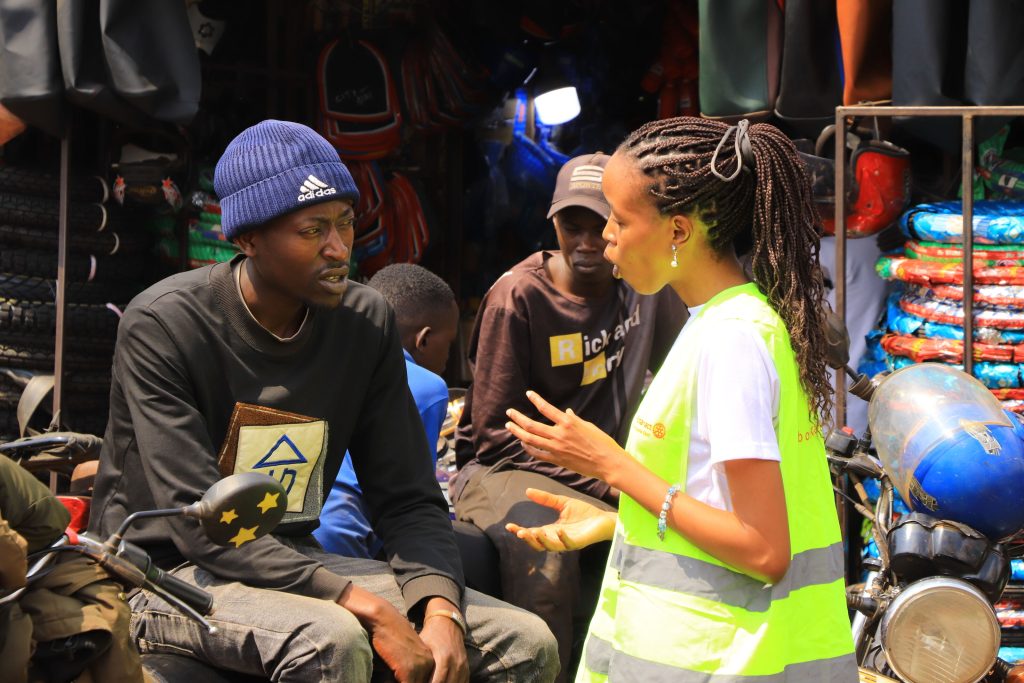
Mental health has increasingly become an important topic of discussion around the world. However, one area that often remains ignored, especially in many African societies, is men’s mental health. In Uganda, many men continue to carry emotional burdens silently because society has taught them that strength means enduring pain without speaking about it. Yet the reality is simple: men struggle too, and their mental well-being deserves equal attention and care.
The Hidden Pressure Men Face Every Day
From a young age, many boys are raised to believe that expressing emotions is a sign of weakness. Phrases such as “be a man,” “men do not cry,” or “handle your problems alone” have shaped generations of men who grow up believing they must suppress emotional pain.
As adults, these expectations become even heavier. Men are often expected to provide for their families, succeed professionally, support relatives financially, and remain emotionally strong regardless of personal struggles. In a country like Uganda, where unemployment, financial instability, and social pressure continue to affect many households, these responsibilities can create overwhelming stress that often goes unnoticed.
Why Men Rarely Ask for Help
One of the biggest challenges surrounding men’s mental health is silence. Many men fear being judged if they openly speak about anxiety, depression, emotional exhaustion, or personal struggles. Others worry that admitting vulnerability may make them appear weak in the eyes of family members, friends, or society.
As a result, many internalize their pain. Some turn to unhealthy coping mechanisms such as alcohol abuse, isolation, aggression, or self-destructive behaviors. Unfortunately, untreated mental health struggles can gradually affect relationships, productivity, family stability, and overall quality of life.
This is why organizations committed to community well-being, such as Milele Foundation Uganda, continue to recognize mental health awareness as an important part of building healthier communities.
The Impact of Poor Mental Health on Families and Communities
Mental health is not an individual issue alone. When a man is struggling emotionally, the effects are often felt by those around him. Stress and untreated depression can affect marriages, parenting, workplace performance, and social relationships.
A father battling silent depression may struggle to emotionally connect with his children. A young man facing anxiety may lose motivation to pursue education or employment opportunities. In many cases, unresolved mental health challenges contribute to domestic conflict, substance abuse, and long-term emotional suffering within families.
Communities thrive when individuals are healthy, and this includes emotional and psychological well-being.
Breaking the Stigma Around Men’s Mental Health Conversations
One of the most important steps toward improving men’s mental health is normalizing conversation. Men need spaces where they can speak openly without fear of judgment. Seeking help should never be seen as weakness. In reality, acknowledging emotional struggles is a sign of self-awareness and courage.
Families, schools, religious institutions, and community organizations all play an important role in changing harmful beliefs that discourage men from speaking about their struggles.
Organizations like Milele Foundation Uganda, through community outreach and mental health awareness initiatives, continue to help create environments where mental well-being is treated as an essential part of healthy living.
Supporting Men Before Crisis Happens
Mental health support should not begin only when someone reaches a breaking point. Prevention is equally important. Regular conversations, emotional education, mentorship programs, counseling services, and supportive community networks can help men manage stress before it becomes dangerous.
Simple actions such as checking on friends, encouraging open discussion, and promoting healthy coping strategies can save lives.
A Strong Man Also Needs Support
Society often celebrates men for being providers, protectors, and leaders. But behind those responsibilities are human beings who also experience fear, stress, disappointment, loneliness, and emotional pain.
True strength is not pretending everything is fine while suffering in silence. True strength is recognizing when support is needed and allowing others to help.
As communities continue to prioritize health and development, organizations such as Milele Foundation Uganda remind us that mental health should never be ignored especially when it comes to men who have been conditioned for far too long to remain silent.
A healthier society begins when we understand one important truth: taking care of men’s mental health is not a luxury it is a necessity for stronger families, safer communities, and a better future for Uganda.